Bumble Bee Design for Boutique Apparel
As an embroidery designer who spends countless hours digitizing and testing patterns for boutique clients, I have developed a keen eye for what makes a machine embroidery design truly viable for commercial apparel. It is not just about the visual appeal on a screen; it is about how the thread sits on fabric, how it withstands washing, and whether it elevates the perceived value of the garment. Recently, I took a close look at the Bee Embroidery Design- Bumble Bee available on Creative Fabrica, specifically evaluating its potential for a upcoming sweatshirt and hoodie collection.
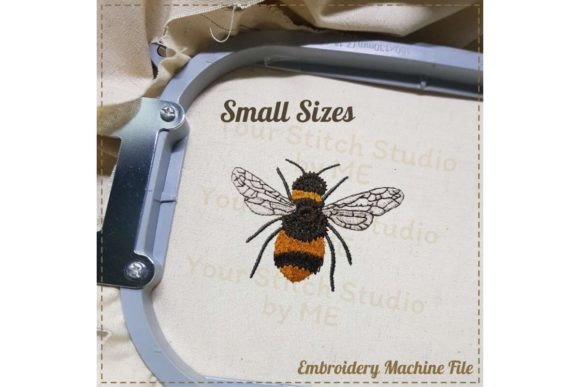
The initial impression of this design is one of playful charm mixed with classic rustic appeal. In the world of Bugs and nature-inspired motifs, bees have become a staple for spring and summer collections, but finding a design that balances cuteness with professional stitch quality can be challenging. This particular piece offers a decorative strength that feels both trendy and timeless. It does not lean too heavily into cartoonish territory, which allows it to sit comfortably on higher-end boutique merchandise without looking juvenile. The stitching mood suggests a soft, approachable aesthetic, perfect for brands that want to convey warmth and handmade quality.
Visual Personality and Stitch Quality
When reviewing any digital embroidery file, I first assess the detail level. For apparel, especially items like t-shirts and lightweight hoodies, excessive density can lead to puckering or stiffness. The Bee Embroidery Design- Bumble Bee appears to strike a thoughtful balance. The outlines are clean, suggesting that the digitizer prioritized smooth runs over chaotic fill patterns. This is crucial for maintaining a premium look. A messy stitch path can make even the most expensive cotton blend look cheap, whereas clean, deliberate stitching enhances the fabric texture rather than overwhelming it.
The design’s versatility is its strongest asset. It feels equally at home on a pastel hoodie as it does on a dark, oversized sweatshirt. For lighter garments, the contrast of the thread colors against the fabric will pop, creating a focal point that draws the eye. On darker apparel, such as navy or charcoal fleece, the design relies on the brightness of the yellow and white threads to stand out. This adaptability makes it a strong candidate for small clothing brands looking to maximize their inventory with a single, versatile asset.
Strategic Placement for Sweatshirts and Hoodies
Planning a collection requires thinking beyond just putting a logo on the chest. I evaluated how this bee motif would perform in various placements. For a sweatshirt embroidery project, the left chest placement is the standard for a subtle, branded look. Here, the size of the bee needs to be small enough to remain delicate but large enough to retain detail. Given the nature of this design, it scales well for this purpose.
However, the real opportunity lies in more creative placements. Imagine this bee embroidered on the sleeve cuff of a cozy hoodie or as a larger back design on an oversized garment. The playful nature of the bee fits perfectly with the current trend of whimsical, comfort-focused fashion. For tote bags, the design can be scaled up significantly. Since tote bags are often made from sturdy canvas, they can handle higher stitch density, allowing the bee to become a bold statement piece. This flexibility is essential for Etsy sellers who need to create multiple product variations from a single purchase.
Considerations for Fabric and Stabilization
While the design is visually appealing, practical application requires caution. Embroidery on stretchy fabrics like fleece or ribbed knits demands careful attention to stabilizer choice. I always recommend testing on scrap fabric before committing to a finished product. For fluffy materials like sherpa or heavy fleece, a cut-away stabilizer is usually necessary to prevent the design from sinking into the pile. Conversely, for smoother cotton t-shirts, a tear-away might suffice, but only if the stitch density is not too high.
Dark garments present another challenge: thread color contrast. If you are using this design on black or deep navy, ensure your yellow threads are vibrant and high-quality. Cheap thread can look dull against dark backgrounds, diminishing the impact of the bee. Additionally, curved surfaces like hat brims or sleeve cuffs require precise hooping. The hoop size must accommodate the design without distorting the fabric. Since this machine embroidery design comes with multiple embroidery file formats, you likely have options that fit standard hoops, but always confirm the specific dimensions in the product details before starting.
Enhancing Brand Identity and Value
For handmade business owners and creative entrepreneurs, every stitch contributes to brand identity. Using a well-digitized design like the Bee Embroidery Design- Bumble Bee signals professionalism. Customers can often tell the difference between a hastily stitched logo and a carefully placed, high-quality emblem. This attention to detail builds buyer trust and encourages repeat purchases. When your products look consistent and polished, your social media graphics and printable mockups will reflect that quality, leading to better engagement online.
Moreover, incorporating nature-themed elements like bugs into your lineup taps into a broader lifestyle trend. It appeals to customers who value sustainability, nature, and handcrafted goods. By using this design on eco-friendly tote bags or organic cotton tees, you align your boutique brand with these values. It transforms a simple piece of clothing into a lifestyle product, increasing its perceived value and justifying a higher price point.
Practical Steps for Production
Before launching this design in your shop, follow these designer notes to ensure success:
- Test on Scrap Fabric: Always run a test stitch-out on the exact same material you plan to use for production. Check for puckering, thread breaks, or registration issues.
- Check Stabilizer Choice: Match your stabilizer to the fabric weight. Heavy fleece needs support; lightweight jersey needs stability without stiffness.
- Review Thread Color Contrast: Ensure your thread palette complements the garment color. High contrast is key for visibility on dark fabrics.
- Confirm Hoop Size: Verify that the design fits within your machine’s maximum hoop area, especially if planning larger back prints.
- Inspect Stitch Density: Look at the test sample. If it feels too stiff or heavy, consider adjusting tension or using a lighter weight thread.
- Check Licensing: Review the Creative Fabrica product details and licensing terms. Ensure you are compliant for commercial embroidery products and selling finished apparel.
In conclusion, the Bee Embroidery Design- Bumble Bee is a solid addition to any embroidery designer’s library. It offers the flexibility needed for diverse applications, from subtle chest logos to bold tote bag statements. Its visual personality is warm and inviting, fitting seamlessly into the current market demand for cozy, personalized apparel. For Etsy sellers and small shop owners, this design provides a reliable foundation for creating distinctive, high-quality products. Just remember to respect the technical requirements of your chosen fabric, and you will find that this little bee can carry a big impact for your brand.