Reviewing Floral Embroidery Digital Paper Patterns for Craft Fairs
As an embroidery designer who has spent countless weekends standing behind booths at local markets, I have learned that not every pretty design translates into a bestseller. When I first pulled up the Floral Embroidery Digital Paper Patterns collection, my immediate reaction was one of cautious optimism. The title suggests a blend of digital artistry and traditional needlework, but does it hold up under the harsh fluorescent lights of a convention center or the soft natural light of an outdoor market? Let’s break down this asset from the perspective of someone who needs to turn pixels into profit.
First Impressions: Aesthetic and Market Fit
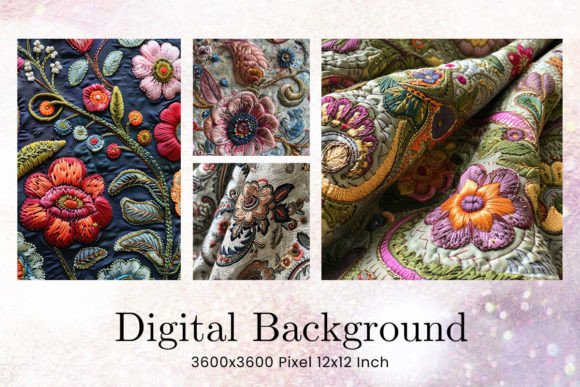
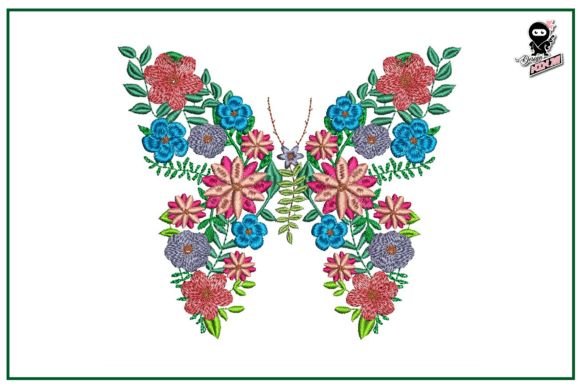
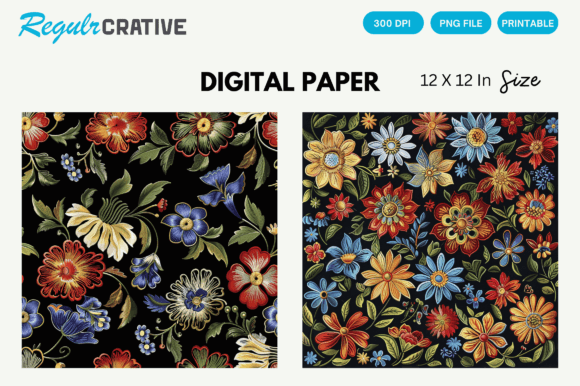
The description highlights that these are beautifully crafted digital papers inspired by classic floral patterns. In the world of design assets, "classic floral" can mean anything from Victorian clutter to modern minimalism. However, when applied to physical goods, these patterns tend to lean toward a soft, elegant, and slightly rustic vibe. This is crucial for Etsy sellers and boutique makers because it fits seamlessly into the current trend of cottagecore and farmhouse aesthetics without feeling dated.
For a craft fair booth, visual cohesion is everything. These Backgrounds and Graphics offer a versatile foundation. They do not scream for attention with neon brightness; instead, they invite closer inspection. This subtle appeal is perfect for customers who are looking for quality over novelty. The patterns feel premium, suggesting that the finished product will be durable and well-made, which is exactly the message we want to convey to potential buyers.
Product Application and Versatility
The true test of any machine embroidery design or digital pattern is its adaptability. I evaluated how Floral Embroidery Digital Paper Patterns would perform across various popular craft fair products.
- Tote Bags: This is likely the strongest candidate. A large tote bag provides enough canvas for the floral motif to breathe. Using the pattern as a central tote bag design allows for high visibility. Customers love functional art, and a sturdy canvas bag with elegant florals sells itself.
- Aprons and Tea Towels: For apron embroidery and tea towel embroidery, these patterns work best as border accents or pocket details. Full-coverage prints might overwhelm the fabric texture, but strategic placement adds a touch of sophistication to kitchen linens.
- Embroidered Patches: If you are converting these graphics into stitched patches, ensure the details are not too fine. Patches need to be bold. These patterns may require simplification to maintain clarity at a smaller scale.
- Pillow Covers and Pouches: These items benefit from the repeatable nature of the pattern. A small pouch with a subtle floral background feels like a high-end accessory rather than a handmade craft, increasing its perceived value.
Production Practicalities for Small Shop Owners
For those of us running a small shop product line, time is money. Batch production is key. One advantage of using consistent digital embroidery file themes is that you can streamline your workflow. You can set up multiple hoops with similar thread palettes, reducing changeover time.
However, there are careful-use notes to consider. Classic floral patterns often involve varying stitch density. If you are using this for commercial embroidery on textured towels, ensure the stitch count isn't so high that it puckers the fabric. Conversely, if the design is too sparse, it may get lost in the weave of a thick linen. Always test on scrap fabric first. Check the thread colors against your standard inventory. If the design requires obscure shades, it might not be cost-effective for high-volume sales.
Photography is another critical factor. These patterns photograph exceptionally well for online listings because they provide a pleasing, non-distracting backdrop for product shots. A printable mockup generated from these assets can help you visualize the final look before you even thread the needle, saving both time and materials.
Technical Considerations and Designer Notes
Before you commit to producing fifty units for the next weekend market, here are some practical steps to ensure success with Floral Embroidery Digital Paper Patterns:
- Check Hoop Size Compatibility: The description does not specify exact dimensions. Verify that the pattern fits your standard hoop sizes. A design that requires constant re-hooping is inefficient for batch production.
- Stabilizer Selection: Floral designs with organic shapes can pull on fabric. Use the right stabilizer—cut-away for stretchy fabrics like t-shirts or caps, and tear-away for stable wovens like cotton tote bags.
- Fabric Texture and Contrast: Test the design on dark fabric. Classic florals often rely on light threads. If the contrast is poor, the design will vanish. Consider offering a version with adjusted thread colors for darker garments.
- Commercial Licensing: This is vital. Confirm the license terms before selling finished products. Some digital papers are for personal use only, while others allow commercial application. Never assume; always read the fine print to protect your business.
- Detail Clarity: Inspect the design at actual size. Tiny details that look crisp on a screen may become a tangled mess of thread in real life. Simplify if necessary to maintain the integrity of the finished product.
Enhancing Brand Consistency and Buyer Engagement
Using a cohesive set of Floral Embroidery Digital Paper Patterns helps build brand recognition. When customers see your booth, they should immediately recognize your style. Whether it is a cap, a pouch, or a pillow cover, the consistent floral theme ties your inventory together. This visual harmony makes your display look professional and curated, which significantly boosts buyer engagement.
Furthermore, these patterns add emotional value. Flowers evoke feelings of warmth, nature, and care. When a customer picks up an item featuring these designs, they aren't just buying a bag; they are buying a piece of that sentiment. This emotional connection is what converts browsers into buyers at craft fairs.
In conclusion, Floral Embroidery Digital Paper Patterns offer a solid foundation for expanding your product line. They are versatile, aesthetically pleasing, and align well with current market trends. By paying attention to technical details like stitch density and fabric compatibility, you can transform these digital assets into high-quality, best-selling handmade goods. Remember to test thoroughly, respect licensing agreements, and let the natural beauty of the florals shine through your craftsmanship.