Reviewing Ikat Brown 2 for Craft Fair Success
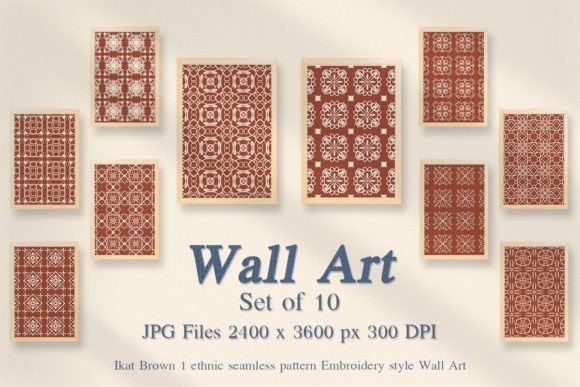
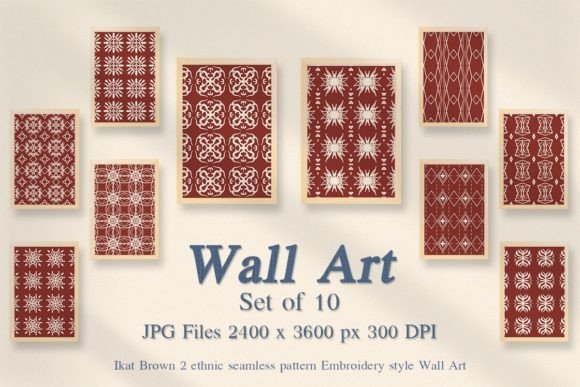
As an embroidery designer who has spent countless weekends behind a booth table, I know that the difference between a browser and a buyer often comes down to visual impact. When I first loaded Ikat Brown 2 Embroidery Style Wall Art into my digitizing software, I was looking for more than just a pretty picture. I was looking for a craft fair product that could carry a whole collection. This design, described as an ethnic seamless pattern with meticulous human creation, immediately struck me as a versatile asset for any small shop product line.
First Impressions: Earthy Elegance Meets Modern Craft
The initial glance at Ikat Brown 2 Embroidery Style Wall Art reveals a sophisticated balance. It does not scream for attention with neon brightness; instead, it invites the viewer in with warm, earthy tones and complex geometric structures typical of traditional ikat weaving. For those of us selling handmade products, this aesthetic is gold. It feels premium, rustic, and deeply artisanal all at once. It fits seamlessly into the current trend of bohemian home decor while maintaining a clean, modern edge that appeals to younger demographics on platforms like Etsy.
Because this is categorized under Illustrations and Graphics, it retains a sharpness that sometimes gets lost in purely photographic transfers. The lines are deliberate, suggesting a high level of care in the original artwork. For a machine embroidery design, this clarity is crucial. It means the transition from screen to stitch is likely to be smooth, provided the digitizer has respected the integrity of the original lines.
Product Versatility: Where This Design Shines
The true test of any digital embroidery file is its adaptability. I mentally placed Ikat Brown 2 Embroidery Style Wall Art on several standard items I produce for weekend markets. Here is how it performs across different categories:
- Tote Bag Design: This is perhaps the strongest candidate. The seamless nature of the pattern allows for a large-scale print or embroidery on canvas totes. It transforms a basic bag into a statement piece.
- Apron Embroidery: Imagine this pattern running along the bottom hem or as a pocket accent on a linen apron. The brown tones hide kitchen stains better than light pastels, making it practical for buyers who actually cook.
- Tea Towel Embroidery: For a more delicate application, scaling this down for a corner motif on waffle-weave towels adds a touch of luxury without overwhelming the fabric texture.
- Embroidered Patch: If you simplify the details, this could make a stunning iron-on patch for denim jackets or backpacks, appealing to the festival crowd.
- Pillow Covers: As wall art, it is beautiful, but on a throw pillow, it becomes tactile. The ethnic pattern complements neutral living room sofas perfectly.
Production Realities and Stitch Considerations
While the visual appeal is undeniable, we must discuss the technical side. The description notes that the art is created by humans and is meticulous. In embroidery terms, "meticulous" can sometimes mean "dense." Before committing to a full batch of commercial embroidery products, you must evaluate the stitch density.
If the design features tight, overlapping shapes typical of ikat patterns, you may encounter puckering on lightweight fabrics. I strongly advise using a cut-away stabilizer for garments and a tear-away for stable home decor items like tote bags. Always check the thread colors against your physical spools. Digital screens often display browns differently than rayon or polyester threads do in natural light. A mismatch here can dull the vibrancy of the final finished product.
Another critical factor is the hoop size. Since this is a seamless pattern, you have the flexibility to tile it or use a single repeat. However, ensure your machine can handle the dimensions you choose. If you are working with a standard 5x7 hoop, you might need to split the design, which requires precise alignment skills. For beginners, sticking to a single focal element from the pattern might be safer than attempting a full seamless repeat.
Selling Strategy for Etsy Sellers and Boutique Makers
For the Etsy seller, photography is everything. Ikat Brown 2 Embroidery Style Wall Art photographs well because of its contrast. However, avoid shooting it on busy backgrounds. Let the pattern breathe. Use natural light to highlight the sheen of the threads. Creating a printable mockup before you even stitch a single thread can save you hours of wasted material. Show potential customers how this design assets looks on a mug, a shirt, or a wall hanging in your listing images.
When pricing your items, remember that this design carries a perceived value of "art." It is not a generic clip-art flower. It is an ethnic, culturally rich pattern. This allows you to position your handmade product in a higher price bracket. Customers are willing to pay more for designs that look curated and exclusive.
Practical Designer Notes for Best Results
Before you launch this design into your shop, follow these steps to ensure quality control:
- Test on Scrap Fabric: Never skip this step. Run the design on the exact fabric weight you intend to sell. Check for thread breaks or bird nests.
- Check Thread Contrast: Ensure the brown shades distinguish themselves from each other. If they blend too much, the intricate ikat effect will be lost.
- Review Spacing: Look for areas where stitches might overlap excessively. Trim jump stitches carefully to keep the back of your work clean, especially for items like tea towel embroidery where the back might be visible.
- Confirm Licensing: The description mentions the art is created by humans, but always verify the commercial license terms of the embroidery file before selling finished products.
- Fabric Texture Matters: This design will look different on smooth cotton versus textured linen. Test both to see which enhances the ethnic vibe better.
In conclusion, Ikat Brown 2 Embroidery Style Wall Art is a strong contender for any craft fair lineup. It offers the versatility needed for diverse products, from tote bag design to home decor. With careful attention to stitch density and fabric choice, it can become a signature look for your brand. It is not just a graphic; it is a tool for building a cohesive, attractive, and profitable handmade business.