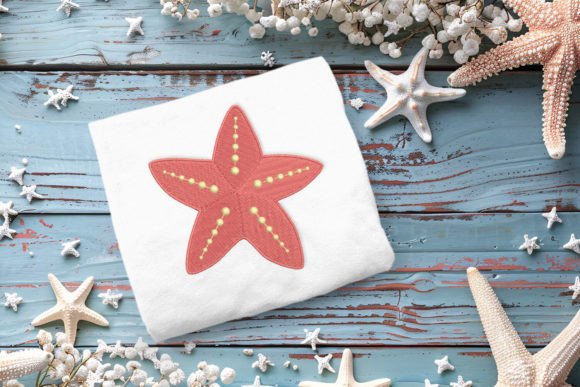
Starfish Mini Embroidery: A Designer’s Practical Review
As someone who spends more time staring at stitch maps than actual fabric, I have developed a keen eye for what makes a machine embroidery design truly viable in a commercial or serious hobbyist setting. It is not just about whether the image looks cute on a screen; it is about how those digital lines translate into thread tension, fabric pull, and final aesthetic appeal. Recently, I evaluated the Starfish Mini Embroidery file to determine if it holds up under the scrutiny of real-world production. This is not a marketing blurb, but a practical assessment of how this design performs when you are trying to create high-quality, sellable goods.
First Impressions and Visual Personality
The immediate mood this design evokes is relaxed coastal charm without tipping into cliché. The shape is organic, avoiding the rigid symmetry that often plagues lower-quality digitizing. For a Beach themed project, the layout feels balanced, offering enough detail to be recognizable as a starfish while maintaining the simplicity required for small-scale stitching. The visual personality is friendly and approachable, making it an ideal candidate for products that need to feel handmade and personal rather than mass-produced.
When I first loaded the preview, I looked specifically for potential trouble spots in the corners and the center disk. In many mini designs, these areas become dense blobs of thread. However, the spacing here suggests a thoughtful approach to stitch density, which is critical when working with the smaller sizes included in the package.
Real-World Application: The Tote Bag Test
To truly understand the utility of this embroidery file, I imagined a specific client request: a set of custom canvas tote bags for a seaside boutique. This is a common scenario for Etsy sellers and craft business owners. The bag material is heavy, textured, and prone to shifting if not stabilized correctly.
The Starfish Mini Embroidery fits naturally into this context. Because it is available in four sizes ranging from 1.5 inches to 3 inches, I could choose the 2.5-inch version for a prominent chest placement or the 1.5-inch version for a subtle corner accent. The design does not rely on extremely fine satin stitch borders that might snag on rough canvas, nor does it use such open running stitch work that the fabric weave shows through awkwardly. It strikes a middle ground that ensures clarity even on textured surfaces.
Versatility Across Product Lines
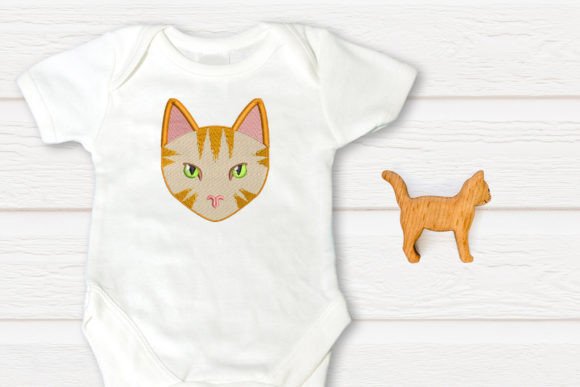
Beyond tote bags, this design demonstrates significant versatility. For custom apparel, such as a linen button-down or a cotton sweatshirt, the smaller 1.5-inch or 2-inch options work beautifully as pocket accents. In the realm of baby embroidery, the soft, rounded edges of the starfish make it safe and visually appealing for onesies or burp cloths, provided you use a soft stabilizer to prevent irritation against sensitive skin.
For those creating embroidered patch designs, the 3-inch size offers enough surface area to experiment with different thread colors. You could use traditional sandy beiges and ocean blues, or pivot to unexpected pastels for a modern twist. This adaptability is crucial for small shop product lines that need to stay fresh across seasons. Whether you are preparing holiday embroidery gifts for summer vacations or creating year-round design assets for your brand, the scale of this file allows for creative flexibility.
Technical Considerations and Fabric Challenges
While the design is robust, there are scenarios where caution is necessary. When working with stretchy fabrics like jersey knits for t-shirts, the hoop size must be selected carefully to avoid distortion. Although the design includes formats like DST, PES, and JEF, which are standard for most home machines, the physical behavior of the thread on stretch fabric requires testing. I recommend using a cut-away stabilizer for these applications to maintain the integrity of the starfish shape after washing.
Another consideration is dark fabric. If you plan to stitch this on navy or black garments, you must ensure your thread colors have sufficient contrast. A light beige on dark blue works well, but a pale yellow might get lost depending on the lighting. Always test your finished product in natural light. Additionally, for curved surfaces like caps, the 1.5-inch size is preferable. Larger iterations might distort if the cap panel is narrow, so always measure your hoop area against the specific garment curve.
Commercial Viability and Brand Consistency
For commercial embroidery projects, consistency is key. The fact that this zip file includes eight formats and four sizes means you can standardize your production process. You do not need to resize the design manually, which can often degrade stitch quality. Instead, you can select the pre-digitized size that matches your product template. This reliability builds customer trust. When a buyer receives a personalized gift or a boutique item where the stitching is crisp and professional, it reflects well on your brand.
From a marketing perspective, this design lends itself well to printable mockup creation. Because the shape is distinct and not overly complex, it photographs well for online listings. Clear, high-contrast images of the embroidery project help drive engagement on platforms like Etsy or Instagram. It signals to the buyer that the item is thoughtfully designed, not just slapped together with generic clip art.
Practical Designer Notes
Before committing to a large batch of production, follow these steps to ensure quality control:
- Test on scrap fabric: Always run a sample on the exact material you intend to use. Check for puckering or thread breaks.
- Check thread contrast: Verify that your chosen thread colors stand out against the background fabric, especially for smaller sizes.
- Review stitch density: Look closely at the center of the starfish. If it appears too dense, consider using a lighter weight thread to reduce bulk.
- Confirm hoop size: Ensure your machine’s hoop can accommodate the largest size (3 inches) with adequate margin for clamping.
- Inspect small details: Zoom in on the digital file to check for any stray stitches or overlapping paths that might cause jams.
- Test in black and white: Convert your mockup to grayscale to ensure the design’s form is readable without color reliance.
- Verify licensing: Before selling finished product items or using this in commercial client work, confirm the license terms provided with the download.
The Starfish Mini Embroidery is a solid addition to any designer’s library. It balances aesthetic appeal with technical practicality, making it suitable for everything from sweatshirt embroidery to delicate kitchen towel accents. By understanding its strengths and limitations, you can leverage this design to create high-value, professional-grade items that resonate with customers seeking authentic, handmade quality.