Hawaiian Turtle: A Designer’s Review for Personalized Gifts
As an embroidery designer who has spent years testing digital files against real-world fabrics, I approach every new machine embroidery design with a critical eye. It is not just about whether the file opens correctly; it is about how the final piece feels in a customer’s hands. Recently, I had the opportunity to review Hawaiian Turtle, a charming addition to the Baby Animals category. My goal was simple: determine if this design holds up under the scrutiny of a personalized gift shop environment where quality and emotional connection are paramount.
The first impression of Hawaiian Turtle is one of gentle whimsy. In a market often saturated with overly complex or rigid geometric patterns, this design offers a breath of fresh air. It possesses a softness that translates beautifully into thread. The mood is undeniably sweet and playful, yet it retains enough elegance to be taken seriously as a high-end handmade product. For creators looking to add a touch of nature-inspired charm without veering into childish territory, this balance is crucial. It feels modern enough for contemporary nurseries but classic enough to serve as a timeless keepsake.
Visual Appeal and Emotional Connection
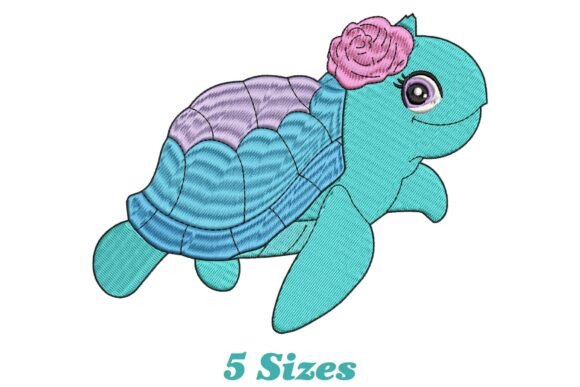
When evaluating a design for commercial use, I always ask: who is buying this? With Hawaiian Turtle, the target audience is broad yet specific. It appeals to parents seeking unique baby embroidery for onesies or blankets, but it also resonates with adults who love oceanic themes. The design’s charm lies in its ability to evoke a sense of calm and joy. When stitched out, the curves of the turtle’s shell and the gentle expression create an immediate emotional hook. This is vital for Etsy seller success, as buyers often make split-second decisions based on the emotional resonance of product photography.
The level of detail in Hawaiian Turtle is moderate, which is a strategic advantage. Highly detailed designs can sometimes look messy on textured fabrics, while overly simple ones may lack perceived value. This design strikes a middle ground, offering enough intricacy to showcase the skill of the embroiderer while remaining clean and readable from a distance. It feels genuinely handmade, avoiding the sterile look that some low-quality digital embroidery file outputs can produce.
Versatility Across Product Lines
One of the strongest assets of this design is its adaptability. I tested the concept of using Hawaiian Turtle across various items mentioned in its description, including t-shirts, towels, pillows, and home decor. For a personalized gift shop, versatility equals profitability. Here is how I envision this design performing in a real-case scenario:
- Baby Items: On a soft muslin blanket, the design adds a focal point that parents will cherish. It works well for blanket embroidery where durability and softness are key.
- Kitchen Linens: An embroidered towel featuring this turtle makes for an excellent housewarming or wedding gift. The whimsical nature lightens the mood of standard kitchen textiles.
- Nursery Decor: Stitched onto a canvas or a plush pillow cover, it becomes a statement piece for a coastal-themed nursery.
- Apparel and Accessories: For custom tote bags or aprons, the design serves as a cute branding element or a personalized touch for the recipient.
For wedding gift designers, this might seem unconventional, but consider a beach wedding theme. A set of embroidered hand towels or a guest book cover featuring Hawaiian Turtle could be a hit for couples tying the knot by the sea. It transforms a standard item into a memorable wedding gift that reflects the couple’s personal style.
Technical Considerations and Fabric Challenges
While the aesthetic appeal is strong, practical application requires caution. As a professional, I must highlight where Hawaiian Turtle needs careful handling. The design’s performance is heavily dependent on the fabric texture and the stability of the material.
When working with thick towels, the pile can obscure finer details. I recommend using a cut-away stabilizer to ensure the stitches do not sink into the fabric. Conversely, on stretchy baby clothes, a tear-away stabilizer might suffice, but one must be wary of distortion. The curvature of a turtle’s shell requires smooth stitching; if the hoop tension is too tight or too loose, the shape can warp. Always check your hoop size compatibility before starting. Since the exact dimensions are not specified in the brief description, verifying the maximum stitch area against your machine’s capabilities is essential.
Dark fabrics present another challenge. If you plan to stitch Hawaiian Turtle on navy or black fabric, you must carefully select thread colors that provide sufficient contrast. Pastels may get lost, so opting for brighter, saturated threads or adding a satin stitch border can help the design pop. Additionally, for products that require frequent washing, such as baby bibs or kitchen towels, ensuring proper density is crucial. A design with too low stitch density may fray over time, while one that is too dense can make the fabric stiff and uncomfortable.
Enhancing Perceived Value and Trust
In the world of online sales, particularly for a small shop product, presentation is everything. Hawaiian Turtle lends itself well to high-quality printable mockup creation. Because the design is distinct and recognizable, it photographs well. Clear images of the finished product build customer trust. When buyers see crisp, clean stitching in photos, they perceive higher quality. This perception directly impacts buyer engagement and conversion rates.
Furthermore, offering custom embroidery options, such as adding a name below the turtle, can significantly increase the perceived value. However, be mindful of spacing. If you add lettering, ensure it does not crowd the turtle. Small lettering near detailed embroidery can become illegible if the stitch count is not optimized. Always test on scrap fabric first to confirm that the combination of text and image remains clear after washing.
Final Recommendations for Makers
Before listing Hawaiian Turtle as a commercial embroidery product in your store, take these practical steps:
- Verify Licensing: Confirm the license terms included with the embroidery file. Ensure you have the right to sell finished products made with this design.
- Test Stitch-Outs: Run tests on at least three different fabric types: a knit (for baby clothes), a woven cotton (for towels), and a textured fabric (for decor).
- Check Thread Contrast: Create mockups for both light and dark fabrics to determine the best thread palette recommendations for your customers.
- Inspect Details: After stitching, examine the small details under good lighting. Look for any thread breaks or puckering that might indicate a need for adjustment in tension or stabilizer type.
In conclusion, Hawaiian Turtle is a delightful addition to any designer’s library. It bridges the gap between playful and sophisticated, making it ideal for a wide range of personalized gift applications. By paying attention to technical details like stabilizer choice and thread contrast, you can ensure that every finished product meets the high standards your customers expect. Whether you are creating a cozy baby blanket or a chic kitchen accessory, this design offers the whimsical charm needed to stand out in a crowded marketplace.