Sleeping Baby Elephant: A Designer’s Review
As an embroidery designer who spends countless hours digitizing and testing files, I have learned that not every machine embroidery design is created equal. Some are technically sound but lack soul, while others are charming but impossible to stitch cleanly on commercial machines. Recently, I came across the Sleeping Baby Elephant on Creative Fabrica and decided to put it through its paces before committing it to a client project. This review breaks down my experience with this Baby Animals themed Embroidery asset, focusing on its practical application for real-world handmade products.
First Impressions and Visual Appeal
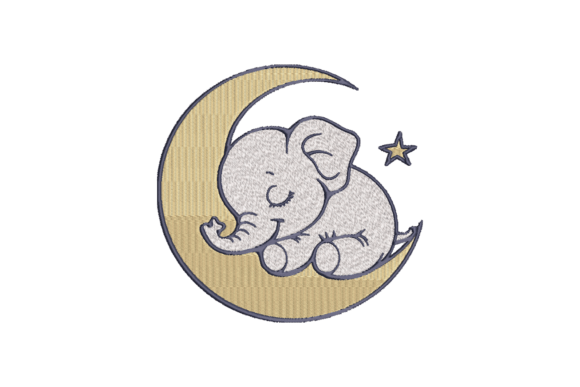
The first thing that strikes you about the Sleeping Baby Elephant is its gentle, whimsical mood. In a market saturated with overly complex or cartoonish animal designs, this piece stands out for its softness and simplicity. The visual personality of the design suggests calmness and comfort, making it an ideal candidate for nursery decor or baby-related items.
From a technical standpoint, the line work appears clean. The balance between open spaces and stitched areas is crucial for a design like this. If a file is too dense, it puckers lightweight fabrics; if it is too sparse, it lacks definition. The Sleeping Baby Elephant seems to strike a thoughtful balance, utilizing what looks like a mix of satin stitch for outlines and finer details, paired with subtle fill stitch areas to give the elephant volume without adding unnecessary bulk. This approach is vital for maintaining the drape of fabrics used in apparel.
Real-World Application for Handmade Sellers
For Etsy sellers and small business owners, versatility is key. You need a digital embroidery file that can adapt to various products without losing its charm. Here is how I envision using this design in a commercial setting:
- Custom Apparel: The soft aesthetic makes it perfect for sweatshirt embroidery on pastel hoodies or organic cotton onesies. It avoids the harshness of bold, aggressive graphics, appealing to parents looking for gentle, gender-neutral options.
- Tote Bag Design: When applied to canvas tote bags, the design needs enough density to hold up against the weave of the fabric. This design’s structure suggests it would sit well on medium-weight canvas, creating a charming handmade product that appeals to book lovers and eco-conscious shoppers.
- Nursery Decor: Imagine this stitched onto pillow covers or wall hangings. The serene expression of the sleeping elephant contributes to a calming atmosphere, enhancing the giftability of the item for baby showers.
- Embroidered Patch: With the right stabilizer, this could be turned into a high-quality patch. Patches are a trending item, and a cute animal motif often drives impulse buys at craft fairs.
Technical Considerations and Stitching Performance
While the design is visually appealing, any experienced embroiderer knows that beauty means nothing if the file does not stitch out cleanly. Here are the practical aspects I considered during my evaluation.
Fabric and Stabilizer Choices
Because this is a Baby Animals theme, it will likely be stitched on delicate or stretchy fabrics. For knit fabrics like those used in baby onesies or t-shirts, using a cut-away stabilizer is non-negotiable to prevent distortion. The Sleeping Baby Elephant does not appear to have excessive stitch density, which is a good sign. High-density designs on knits often cause tunneling or puckering, but this design’s lighter touch should perform well if hooped correctly.
For textured fabrics like towels or aprons, you must consider how the stitches interact with the pile. A running stitch underlay is essential here to anchor the design. While I cannot confirm the specific underlay settings without opening the file, most professional Creative Fabrica embroidery files include adequate underlay. Always test on scrap fabric first to ensure the threads do not sink into the towel loops.
Hoop Size and Placement
One of the advantages of this design is its likely compatibility with smaller hoops. Whether you are using a 4x4 inch hoop for caps or a 5x7 inch hoop for larger items, the compact nature of a sleeping baby animal usually allows for flexible placement. However, always check the specific dimensions listed on the product page. If you are stitching on curved surfaces like caps, ensure the design is centered and that the hoop size provides enough margin to avoid needle strikes.
Thread Color Contrast
The success of this design heavily relies on thread colors. Since elephants are typically gray, stitching on dark navy or black fabric might require a lighter gray or even white thread to ensure visibility. Conversely, on white fabric, a medium gray provides a soft, sophisticated look. I recommend creating a printable mockup or digitally simulating the design on different fabric colors before stitching the final finished product. This helps in managing customer expectations and ensures the design pops appropriately.
Enhancing Brand Value and Customer Trust
Using high-quality design assets like the Sleeping Baby Elephant can significantly impact your brand perception. Customers associate clean, well-executed embroidery with professionalism. A sloppy stitch-out can damage trust, but a crisp, charming design encourages repeat business.
This particular design supports brand consistency for shops focused on gentle, natural, or child-friendly themes. It allows for easy integration into a cohesive collection. For example, you could pair this elephant with other Baby Animals designs to create a themed nursery set. The emotional connection customers feel toward cute, sleeping animals often translates to higher engagement on social media and better conversion rates for personalized gift listings.
Final Verdict and Practical Advice
Before you download and start stitching, there are a few critical steps to take. First, verify the file formats included in the embroidery file package to ensure compatibility with your specific machine brand. Second, read the license terms on the Creative Fabrica product page carefully. Most files allow for commercial use of finished physical items, but rules regarding digital resale or mass production can vary.
My recommendation is to treat the Sleeping Baby Elephant as a versatile staple in your library. It is not just a cute image; it is a functional commercial embroidery asset that can elevate simple items like kitchen towels or caps into premium goods. By paying attention to stabilizer choice, thread contrast, and fabric type, you can maximize the potential of this design.
In conclusion, if you are looking for a design that balances whimsical charm with technical feasibility, this file is worth considering. It fits naturally into the workflow of serious crafters and creative entrepreneurs who value both aesthetics and stitch quality. Always run a test stitch on similar fabric to your final product, inspect the small details for any thread breaks or jumps, and enjoy the process of bringing this sweet elephant to life.