Teddybear: A Designer’s Review for Personalized Gifts
As an embroidery designer who has spent years digitizing and testing files for small business owners, I approach every new machine embroidery design with a critical eye. It is not enough for a pattern to look cute on a screen; it must perform flawlessly under the needle. Recently, I tested the Teddybear design to see if it truly meets the high standards required for personalized gift products. My goal was simple: determine if this file is ready for real customer orders in a busy shop environment.
First Impressions: Mood and Emotional Appeal
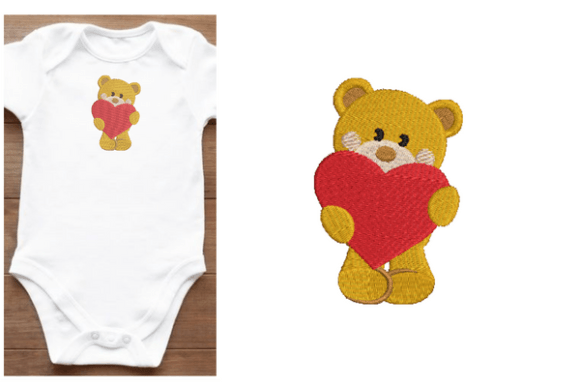
The moment I loaded the Teddybear preview, I was struck by its inherent warmth. This is not just a generic clipart conversion; it feels like a genuine piece of art designed for Embroidery. The mood is undeniably sweet and playful, yet it retains a classic charm that prevents it from feeling too trendy or fleeting. For makers targeting the baby and family market, this emotional connection is vital. Customers are not just buying a stitched image; they are buying a feeling of comfort and nostalgia.
The detail level strikes a careful balance. It is intricate enough to look professional and high-value but not so dense that it becomes stiff or prone to puckering. This makes it an excellent candidate for a wide range of fabrics, from soft cottons to plush fleece. Whether you are aiming for a romantic nursery vibe or a cheerful kitchen aesthetic, Teddybear adapts beautifully to the thread colors you choose.
Versatility Across Product Lines
One of the strongest assets of this design is its adaptability. During my review, I visualized Teddybear on several different substrates to test its versatility. Here is how it performs across key product categories:
- Baby Embroidery: On muslin blankets or organic cotton onesies, the design adds a tender, handmade touch. It is perfect for birth announcements or shower gifts.
- Home Decor: Imagine this stitched onto a linen pillow cover or a rustic burlap sack. The colorful look mentioned in the product description shines here, adding a pop of personality to living spaces.
- Kitchen Textiles: An embroidered towel featuring Teddybear makes for a charming housewarming present. It transforms a standard utility item into a keepsake.
- Apparel and Accessories: From denim tote bags to children’s aprons, the design holds its shape well. It is particularly effective on canvas materials where the stitches can stand out against the weave.
For Etsy seller accounts and small shop owners, this versatility means you can create multiple listings from a single digital embroidery file. You can offer custom monograms alongside the bear, creating a unique personalized gift that stands out in a crowded marketplace.
Technical Considerations for Professional Results
While Teddybear is described as suitable for any fabric, experienced crafters know that preparation is key. Before running this design on a final customer product, I recommend several practical steps to ensure quality.
First, always test on scrap fabric. This allows you to check the stitch density and ensure there is no pulling or distortion. If you are working with textured fabric or thick towels, you may need to adjust your tension or use a stronger needle. For stretchy baby clothes, a cut-away stabilizer is often safer than tear-away to prevent the design from shifting after washing.
Pay close attention to thread colors. Since the product description highlights a "colorful look," do not be afraid to experiment. However, ensure there is enough contrast between the bear and the background fabric. A dark thread on a dark navy shirt will get lost, whereas a cream or pastel thread will make the details pop. Always compare light and dark fabric mockups before finalizing your product photos.
Navigating Challenging Surfaces
There are specific scenarios where you should use caution. If you are embroidering on curved surfaces, such as the toe of a sock or a rounded pillow corner, hooping can be tricky. Use magnetic hoops or frame-assist tools to keep the fabric taut. Additionally, if the design includes any small lettering or fine details, verify that your machine can handle the resolution. Small elements can sometimes merge if the stabilizer is not firm enough.
For products that need frequent washing, such as kitchen towels or baby bibs, consider using polyester threads instead of rayon. Polyester is more durable and colorfast, ensuring that your handmade product remains vibrant through countless laundry cycles. This attention to durability builds customer trust and reduces return requests.
Enhancing Perceived Value and Giftability
Why does Teddybear work so well for gifts? It taps into the universal love for Teddy Bears as symbols of comfort. When a customer receives a blanket or towel with this design, they perceive it as thoughtful and carefully crafted. This emotional resonance increases the perceived value of the item, allowing small business owners to command higher prices than for plain, unadorned goods.
From a marketing perspective, this design photographs beautifully. The soft curves and friendly expression of the bear create an inviting image for social media and online listings. A well-lit photo of an embroidered pillow or a folded blanket can significantly boost buyer engagement. For wedding gift designers, pairing this design with elegant script fonts can create a sophisticated yet whimsical keepsake that appeals to modern couples.
Licensing and Commercial Use
Before listing any finished items for sale, it is crucial to confirm commercial licensing. The product description notes that this is a wonderful design for various applications, but it does not explicitly state the license terms. As a professional, I advise you to check the seller’s policy regarding commercial embroidery rights. Most reputable designers allow you to sell physical finished products, but restrictions may apply to sharing the digital file itself. Always clarify these terms to protect your business.
If you are creating a printable mockup for your online store, ensure that the digital representation matches the actual stitched output. Misleading images can lead to disappointed customers. Transparency about the size and finish of the embroidery file helps set realistic expectations.
Final Verdict for Crafters
In conclusion, Teddybear is a robust and charming addition to any embroidery library. It bridges the gap between playful childishness and elegant home decor, making it a versatile tool for creators. Whether you are designing a blanket embroidery project for a newborn or a custom tote for a craft fair, this design delivers consistent results when paired with proper technique.
Remember to respect the nuances of fabric texture and hoop size limitations. By taking the time to test and refine your process, you can turn this digital asset into a tangible source of joy for your customers. For those looking to expand their small shop product line with meaningful, high-quality items, Teddybear is certainly worth the investment.